




The global semiconductor industry is undergoing a period of rapid expansion driven by artificial intelligence (AI), high-performance computing (HPC), advanced packaging, and the continued integration of semiconductors into industrial and consumer systems. As fabrication technologies advance toward smaller nodes and more complex device structures, manufacturing and test environments place increasing demands on power delivery systems. In this context, programmable DC power supplies play a foundational role in enabling precision, stability, and scalability across both frontend and backend semiconductor operations.
This article examines how programmable power supplies support modern semiconductor manufacturing and test processes, drawing directly from AMETEK Programmable Power’s semiconductor white paper.
Industry Context: Growth and Manufacturing Complexity
Semiconductor manufacturing is expanding globally, supported by new fab construction, capacity investments, and supply-chain realignment initiatives. These trends are accompanied by increased process complexity, including advanced logic nodes, compound semiconductors, and high-aspect-ratio structures. As a result, power delivery requirements within fabs and test environments are becoming more stringent.
Manufacturing tools must operate with high reliability and tight process control, since instability or interruption can directly impact yield. Power systems are therefore required to deliver accurate, repeatable output while supporting a range of operating modes and integration requirements.
Explore AMETEK Programmable Power’s semiconductor power supply solutions → Semiconductor Industry Solutions
Role of Programmable Power in Frontend Processes
1. Ion Implantation
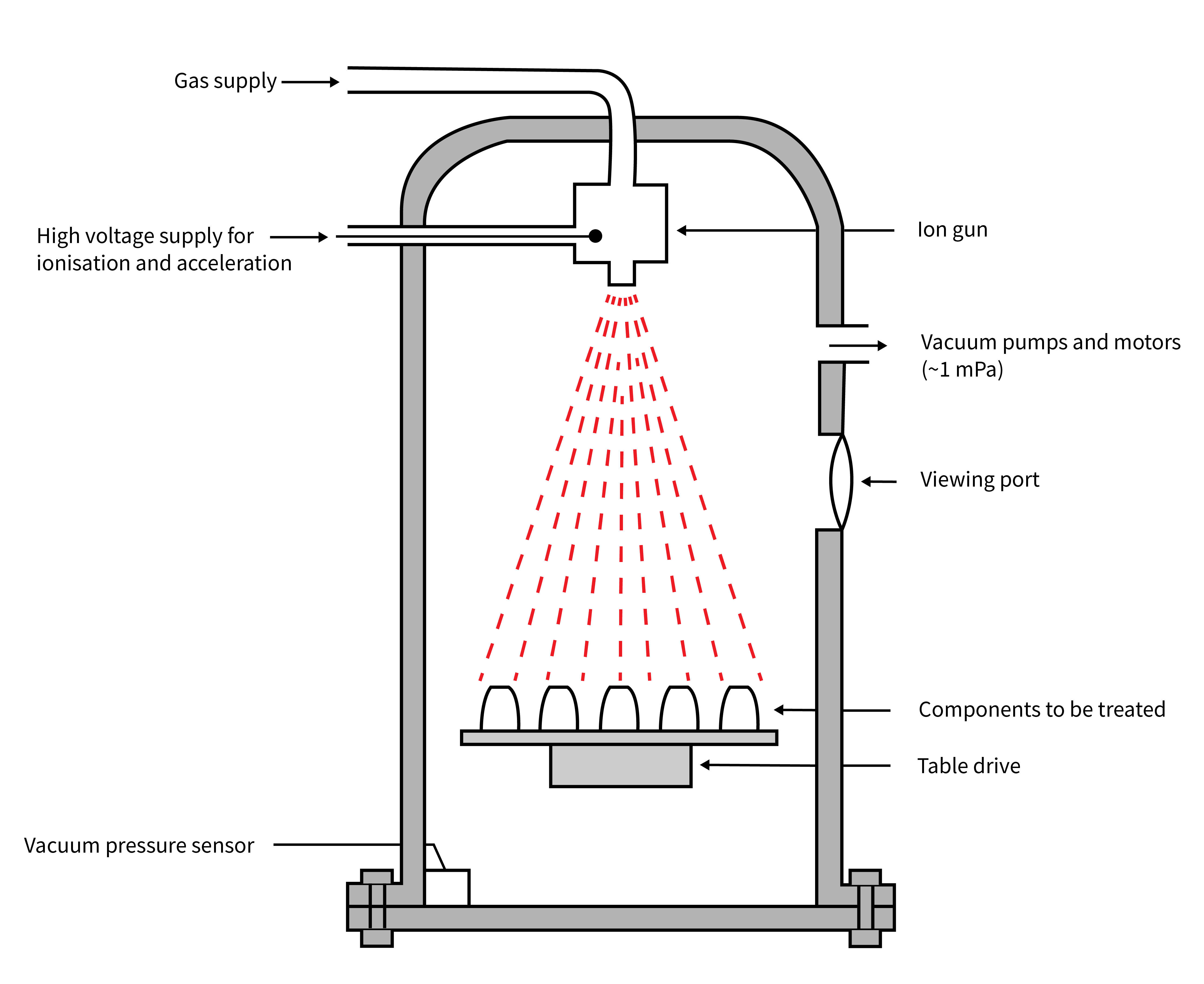
Ion implantation is a critical frontend process used to control dopant concentration and depth within semiconductor wafers. This process relies on precise control of ion beam energy, which is directly influenced by power supply voltage stability.
Programmable DC power supplies are used within closed-loop ion implantation systems, where output voltage can be adjusted in response to process measurements. Stability and reliability are essential, as a power disturbance during implantation can result in wafer scrap. Programmable power supplies support these requirements by providing regulated output with consistent performance throughout the implantation cycle.
2. Plasma Etching and Deposition
Plasma-based etching and deposition processes are used extensively in advanced semiconductor fabrication. These processes require clean, low-noise power to maintain uniform plasma conditions and consistent material removal or deposition.
Programmable power supplies used in these applications must minimize ripple and noise while responding quickly to load changes. As feature sizes shrink and process windows narrow, power stability becomes increasingly important to maintain uniformity and reduce variability across wafers.
3. Process Control and Flexibility
Across frontend processes, programmable power supplies support multiple operating modes—constant voltage, constant current, and constant power—allowing engineers to tailor power delivery to specific process requirements. Analog programming and monitoring interfaces enable real-time control within closed-loop systems, supporting integration with process tools and control architectures.
Backend Test and Reliability Operations
Burn-In Testing
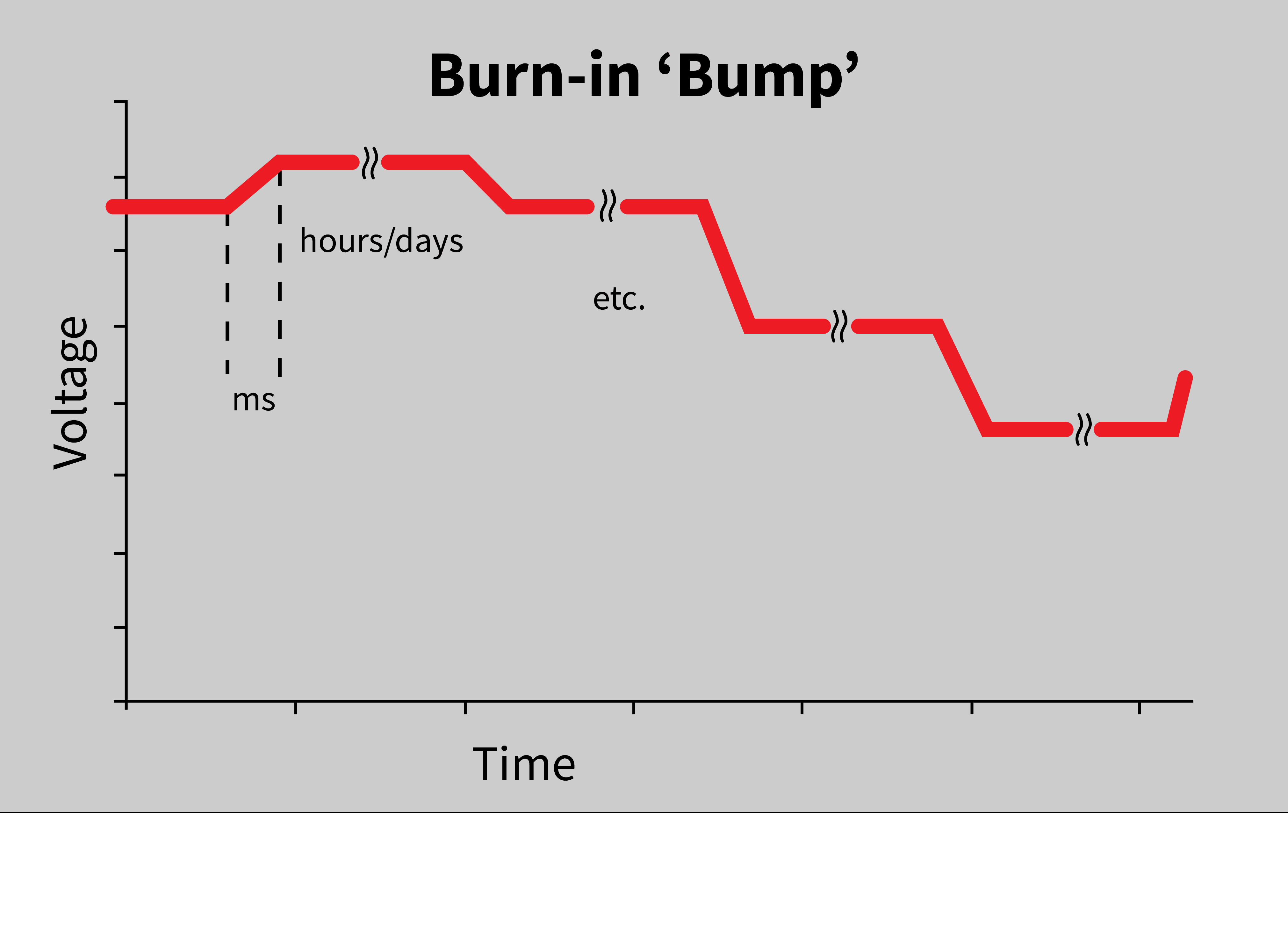
Burn-in testing is a critical backend operation used to identify early-life failures and ensure long-term device reliability. During burn-in, devices are subjected to controlled electrical stress over extended periods, often at elevated temperatures.
Programmable power supplies are essential for delivering stable voltage and current throughout these long test cycles. They also support restart and recovery options to accommodate facility power interruptions, helping prevent test disruption and data loss.
Functional and Margin Testing
Backend functional testing requires power supplies capable of supporting rapid changes in load current as devices transition between operating states. High di/dt capability and fast transient response are therefore important performance considerations.
Programmable supplies also enable margin testing by allowing voltage levels to be adjusted between a device’s rated limits. This flexibility supports characterization and validation workflows without requiring multiple fixed power sources.
Integration with Automated Test Systems
As test environments become more automated, programmable power supplies are increasingly integrated into automated test equipment (ATE). Digital communication interfaces support remote control, monitoring, and coordination with test software, helping streamline backend operations and improve throughput.
Performance and Design Considerations
- Output stability and regulation
- Low ripple and noise
- Fast transient response
- Scalability and modularity
- Reliability and uptime
Future Trends Driving Power Requirements
As semiconductor devices evolve toward more advanced architectures and materials, power delivery requirements are expected to continue tightening. Emerging trends such as gate-all-around transistors, silicon carbide (SiC), and gallium nitride (GaN) devices place additional emphasis on voltage stability, response speed, and long-term reliability.
Programmable DC power supplies are a foundational element of modern semiconductor manufacturing and test operations. From frontend processes such as ion implantation and plasma etching to backend burn-in and functional testing, these power systems enable the precision, stability, and flexibility required by advanced devices and processes.
Need help determining the right solution for your needs? Our experts are here to help! - ASK AN EXPERT