



Introduction Regenerative Braking:
Regenerative braking is a revolutionary technology that enhances the energy efficiency of electric vehicles (EVs) and hybrids by capturing and converting kinetic energy into electrical energy during braking. This captured energy is stored in the vehicle's battery for later use, extending the driving range and improving overall efficiency. However, testing and optimizing these systems require sophisticated tools. Programmable DC power supplies, bidirectional power supplies, and regenerative electronic loads are crucial for simulating real-world conditions and ensuring the reliability and efficiency of regenerative braking systems.
Understanding Regenerative Braking:
Regenerative braking converts the kinetic energy of a vehicle into electrical energy, which is then stored in the vehicle’s energy storage system (ESS). This process not only enhances fuel efficiency but also reduces wear on traditional braking components, contributing to the overall sustainability of the vehicle.
The Role of Programmable Power Supplies
[1] Simulation and Testing of Regenerative Braking Systems:
[I] Dynamic Load Simulation:
Programmable power supplies are vital for dynamic load simulation. They can mimic the load conditions that a vehicle's braking system experiences, simulating various braking scenarios such as sudden stops or gradual deceleration. This capability is essential for testing how effectively the regenerative braking system captures and stores energy.
[II] Bidirectional Power Flow:
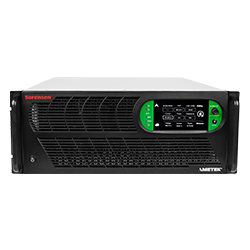 |
| Sorensen™ Modular Intelligent-Bidirectional Energy AMplified (Mi-BEAM) Series |
Regenerative braking systems require bidirectional power flow capabilities, where energy can be both supplied to and absorbed from the system. Programmable power supplies with bidirectional functionality, such as the Mi-BEAM Series Bidirectional Power Supply and i-BEAM Series Bidirectional Power Supply can accurately replicate this process during testing, ensuring that the regenerative braking system functions correctly in all scenarios.
[2] Energy Recovery and Efficiency Analysis:
[I] Efficiency Measurement:
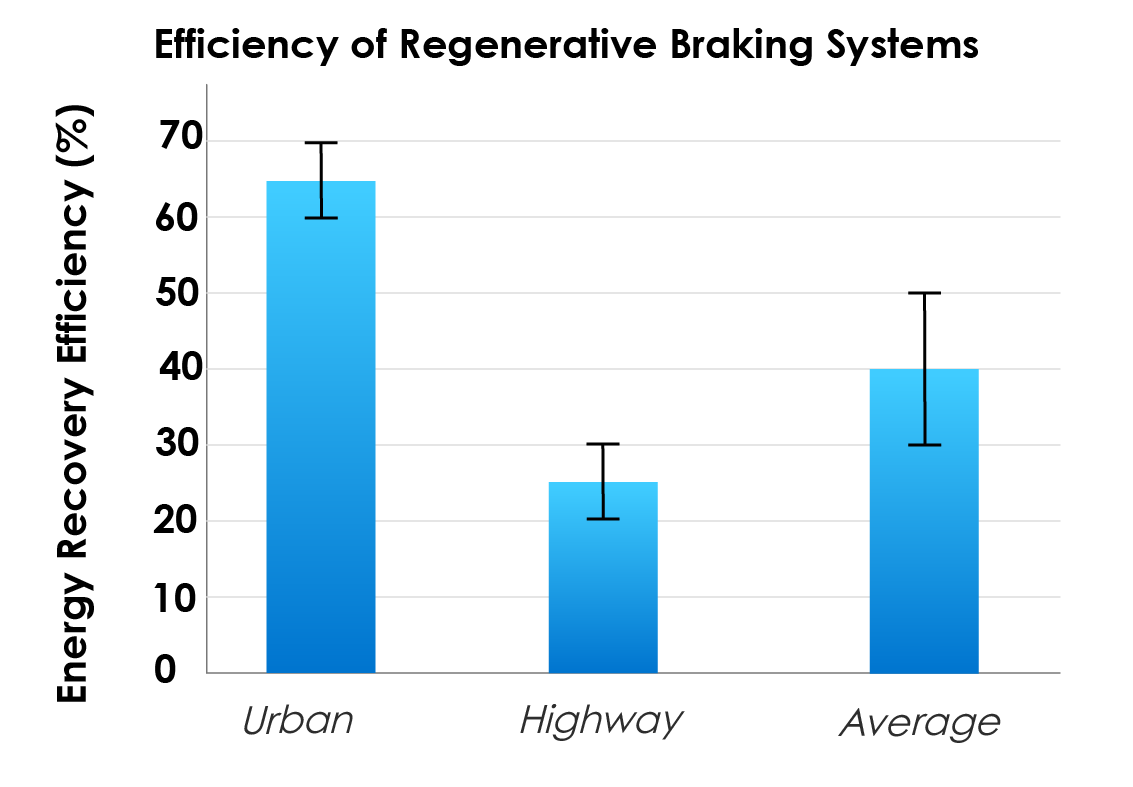
To optimize energy recovery, programmable power supplies measure the efficiency of the regenerative braking system by analyzing the amount of energy recovered during braking events. This helps in fine-tuning the system for maximum energy recovery and minimal energy loss.
|
Energy Recovery Efficiency of Regenerative Braking Systems |
 |
|
[II] Energy Storage Testing:
Programmable power supplies can simulate the charging process of the vehicle's battery during regenerative braking, ensuring that the battery and power electronics handle the recovered energy efficiently. This process is crucial for validating the performance of the energy storage system (ESS).
[3] Safety and Performance Validation:
[I] Safety Features:
Safety is paramount in regenerative braking systems. Programmable power supplies equipped with built-in safety features, such as overcurrent and overvoltage protection, help validate the safety and reliability of these systems. For example, the Sorensen Mi-BEAM Series Bidirectional Power Supply includes these protective features to ensure safe operation under various conditions.
[II] Performance Benchmarking:
Engineers can use programmable power supplies to benchmark the performance of regenerative braking systems against industry standards. This benchmarking is essential for optimizing the systems for better performance and reliability.
[4] Advanced Control and Monitoring:
[I] Real-time Monitoring:
Programmable power supplies provide real-time monitoring and control of electrical parameters during regenerative braking events. This capability offers valuable data for fine-tuning the system’s control algorithms, ensuring optimal performance.
[II] Integration with Vehicle Control Systems:
Integrating programmable power supplies with the vehicle's control systems allows for the simulation of real-world driving conditions. This ensures that the regenerative braking system responds appropriately in all scenarios, enhancing the overall performance and reliability of the vehicle.
|
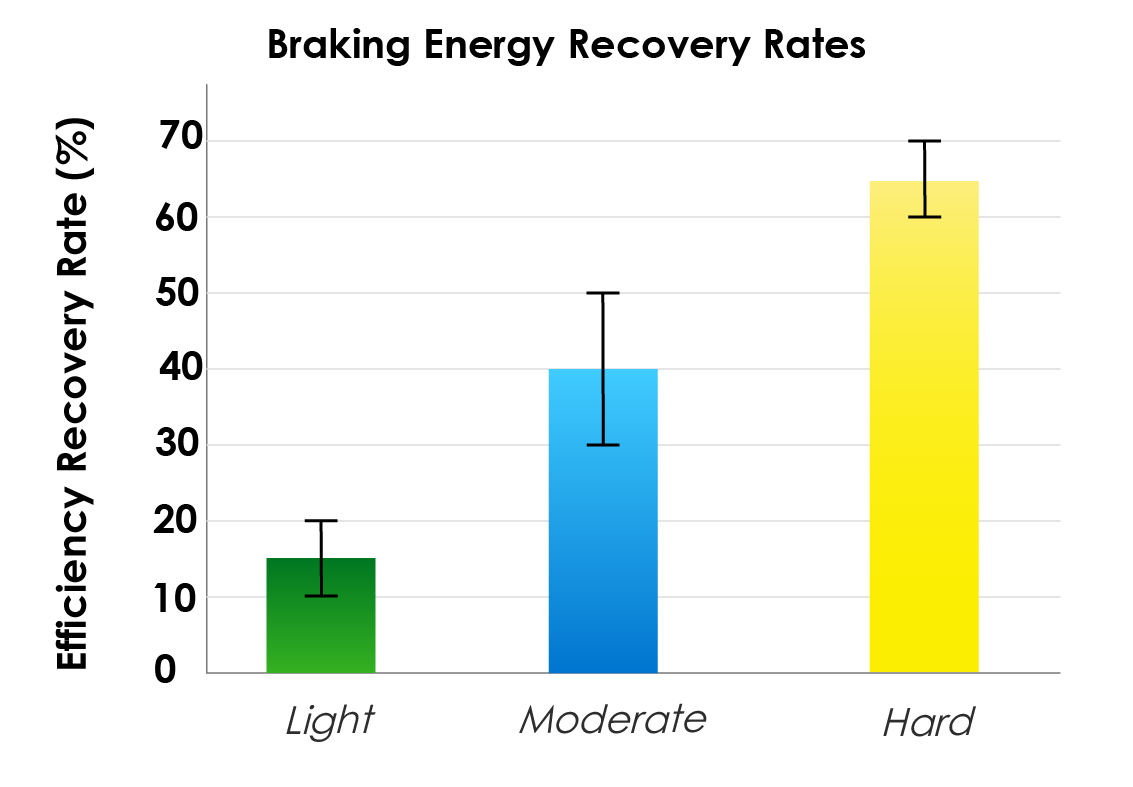
Energy Recovery Rates During Different Braking Scenarios |
 |
|
[5] Applications in R&D and Production:
[I] Research and Development:
In R&D, programmable DC power supplies like the Sorensen Mi-BEAM Series Bidirectional Power Supply are used to develop and test new regenerative braking technologies. This development process aims to improve energy recovery and overall vehicle efficiency.
[II] Quality Assurance in Production:
During manufacturing, programmable power supplies ensure that each regenerative braking system meets the desired performance and safety standards. This quality assurance process is vital for maintaining the reliability and efficiency of the vehicles.
Conclusion
The integration of programmable DC power supplies, bidirectional power supplies, and regenerative electronic loads is pivotal in the development, testing, and optimization of regenerative braking systems in electric and hybrid vehicles. These advanced tools provide the necessary control, simulation, and analysis capabilities to ensure that regenerative braking systems operate efficiently, safely, and reliably. By leveraging these technologies, engineers can enhance the overall performance and sustainability of modern automotive technologies.