



Fuel cell technology is at the forefront of sustainable energy solutions, offering a cleaner alternative to traditional fossil fuels. To ensure the optimal performance and longevity of fuel cells, rigorous testing is essential.
This blog delves into the intricacies of Fuel Cell Testing and Simulation using Programmable Power Supplies, highlighting the benefits of using advanced equipment to simulate real-world conditions and enhance testing accuracy.
Introduction to Fuel Cell Testing
[1] Overview of Fuel Cell Technology:
Hydrogen fuel cells convert chemical energy from hydrogen into electricity through an electrochemical reaction.
Unlike traditional combustion-based power sources, fuel cells emit only water and heat, making them an environmentally friendly option.
[2] Importance of Fuel Cell Testing:
Testing is crucial for evaluating the performance, efficiency, and durability of fuel cells. It ensures that fuel cells can operate safely and effectively under various conditions.
[3] Key Parameters in Fuel Cell Performance:
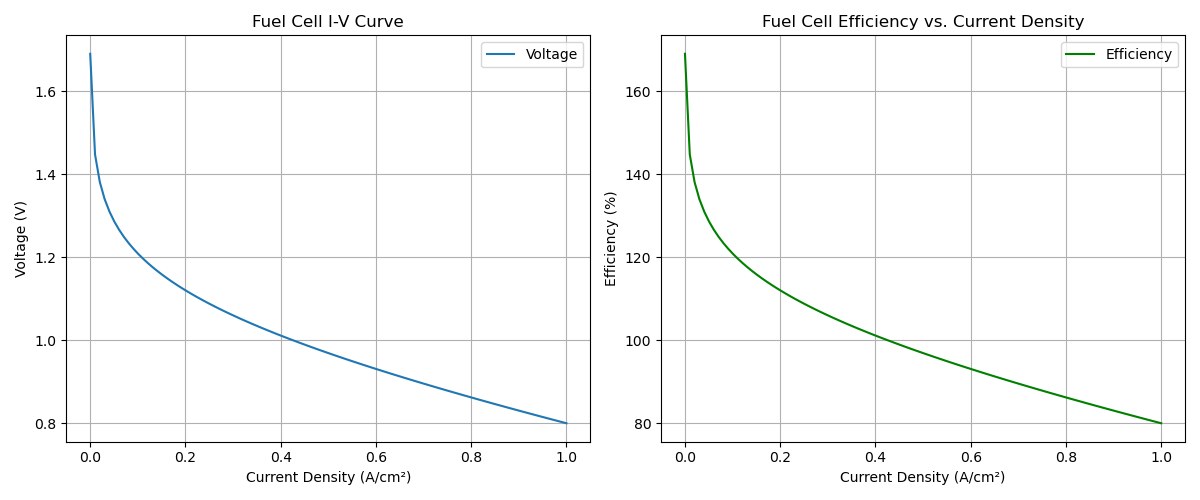
Critical parameters include voltage, current (simulate the I-V curve of a fuel cell), power output, efficiency, temperature, and humidity. Monitoring these parameters helps in understanding fuel cell characteristics and optimizing performance.
|
I-V Curve and Efficiency Analysis of a Hydrogen Fuel Cell |
 |
|
Challenges in Fuel Cell Testing
[1] Variability in Load Conditions:
Fuel cells often face fluctuating loads, which can affect performance and efficiency. Simulating these conditions accurately is challenging but essential for realistic testing.
[2] Managing Power Output and Efficiency:
Maintaining consistent power output and high efficiency is vital for fuel cell performance. This requires precise control and measurement tools.
[3] Temperature and Humidity Control:
Environmental conditions, such as temperature and humidity, significantly impact fuel cell performance. Controlling and monitoring these variables is critical.
[4] Safety and Stability Concerns:
Fuel cell testing must address safety and stability issues, such as overcurrent and overvoltage conditions, to prevent damage and ensure reliable operation.
Role of Programmable Power Supplies in Fuel Cell Testing
[1] Introduction to Programmable Power Supplies:
Programmable power supplies are advanced devices that provide controlled and adjustable power outputs. They are essential tools for simulating various load conditions in fuel cell testing.
[2] Advantages Over Traditional Power Supplies:
Programmable power supplies offer greater precision, flexibility, and control compared to traditional power supplies. They enable dynamic load simulation, real-time adjustments, and enhanced safety features.
[3] Key Features of Programmable Power Supplies for Fuel Cells:
- Load Simulation: Ability to replicate varying load conditions.
- Precise Load Control: Accurate control over voltage and current.
- Real-time Adjustment and Feedback Mechanisms: Instantaneous adjustments based on performance data.
Mitigating Load Variability with Programmable Power Supplies
[1] Dynamic Load Simulation:
Programmable power supplies can simulate the I-V curve of a fuel cell, replicating real-world operating conditions. This helps in understanding how fuel cells respond to different loads.
[2] Precise Load Control:
Precise control over load conditions allows for accurate load tests of fuel cell resistance, fuel cell performance, and fuel cell lifetime.
[3] Real-time Adjustment and Feedback Mechanisms:
Real-time feedback enables continuous monitoring and adjustment of test parameters, ensuring accurate fuel cell simulation.
Enhancing Power Output and Efficiency Testing
[1] Accurate Measurement of Power Output:
Programmable power supplies facilitate precise measurement of power output, helping to evaluate fuel cell efficiency and performance.
[2] Efficiency Analysis and Optimization:
Efficiency analysis involves simulating fuel cell characteristics under various conditions to identify optimal operating parameters.
[3] Handling Peak Load and Transient Conditions:
Programmable power supplies can handle peak loads and transient conditions, ensuring robust testing of fuel cell capabilities.
Temperature and Humidity Control in Fuel Cell Testing
[1] Importance of Environmental Control:
Controlling temperature and humidity is crucial for accurate fuel cell testing. Variations in these factors can significantly impact performance data.
[2] Programmable Power Supply Integration with Climate Chambers:
Integrating programmable power supplies with climate chambers allows for comprehensive environmental control, ensuring consistent test conditions.
[3] Data Logging and Analysis for Temperature/Humidity Effects:
Data logging and analysis tools help in understanding the impact of temperature and humidity on fuel cell performance, enabling better optimization.
Safety and Stability Enhancements with Programmable Power Supplies
[1] Built-in Safety Features:
Programmable power supplies come with built-in safety features, such as overcurrent and overvoltage protection, ensuring safe testing environments.
[2] Overcurrent and Overvoltage Protection:
Protection mechanisms prevent damage to fuel cells during testing, ensuring stability and reliability.
[3] Monitoring and Alarming Systems:
Advanced monitoring and alarming systems help in identifying and addressing potential issues promptly.
Advanced Testing Techniques with Programmable Power Supplies
[1] Simulating Real-world Operating Conditions:
Programmable power supplies enable the simulation of real-world conditions, providing insights into fuel cell performance under different scenarios.
[2] Long-term Durability and Stress Testing:
Long-term testing helps in evaluating the durability and lifespan of fuel cells, ensuring they can withstand prolonged use.
[3] Automated Testing Protocols and Data Collection:
Automation of testing protocols and data collection enhances efficiency and accuracy, enabling more comprehensive analysis.
Case Studies: Successful Fuel Cell Testing with Programmable Power Supplies
[1] Industrial Applications and Outcomes:
Case studies demonstrate the successful application of programmable power supplies in industrial fuel cell testing, highlighting improved performance and reliability.
[2] Research and Development Success Stories:
Research and development initiatives benefit from the advanced capabilities of programmable power supplies, leading to innovations in fuel cell technology.
[3] Comparative Analysis with Traditional Methods:
Comparative analysis shows the superiority of programmable power supplies over traditional methods in terms of precision, control, and safety.
Future Trends in Fuel Cell Testing and Programmable Power Supplies
[1] Innovations in Fuel Cell Technology:
Ongoing innovations in fuel cell technology demand advanced testing solutions to keep pace with new developments.
[2] Emerging Features in Programmable Power Supplies:
Programmable power supplies continue to evolve, offering new features and capabilities to enhance fuel cell testing.
[3] Integration with IoT and Smart Testing Solutions:
Integration with IoT and smart testing solutions provides real-time data and insights, enabling more efficient and effective testing.
Conclusion and Best Practices for Fuel Cell Testing
[1] Summary of Key Points:
Programmable power supplies play a crucial role in fuel cell testing, offering precise control, advanced features, and enhanced safety.
[2] Recommendations for Effective Testing:
Effective testing involves using programmable power supplies to simulate real-world conditions, control environmental factors, and ensure safety.
[3] Future Outlook and Research Directions:
The future of fuel cell testing lies in the continuous advancement of programmable power supplies and their integration with smart testing solutions.
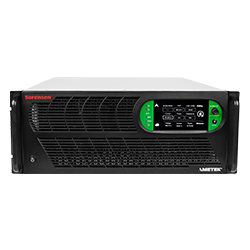 |
| Sorensen™ Modular Intelligent-Bidirectional Energy AMplified (Mi-BEAM) Series |
By leveraging programmable power supplies such as the Mi-BEAM Series Bidirectional, Regenerative Programmable DC Power Supply, i-BEAM Series Bidirectional, Regenerative Programmable DC Power Supply, Sorensen PLA Series or PLW Series Electronic Loads, and HPX Series - High Power Density Programmable DC Supply, the fuel cell industry can achieve more accurate, efficient, and safe testing outcomes.